Interventions for Kids with Autism
Interventions for Kids with Autism
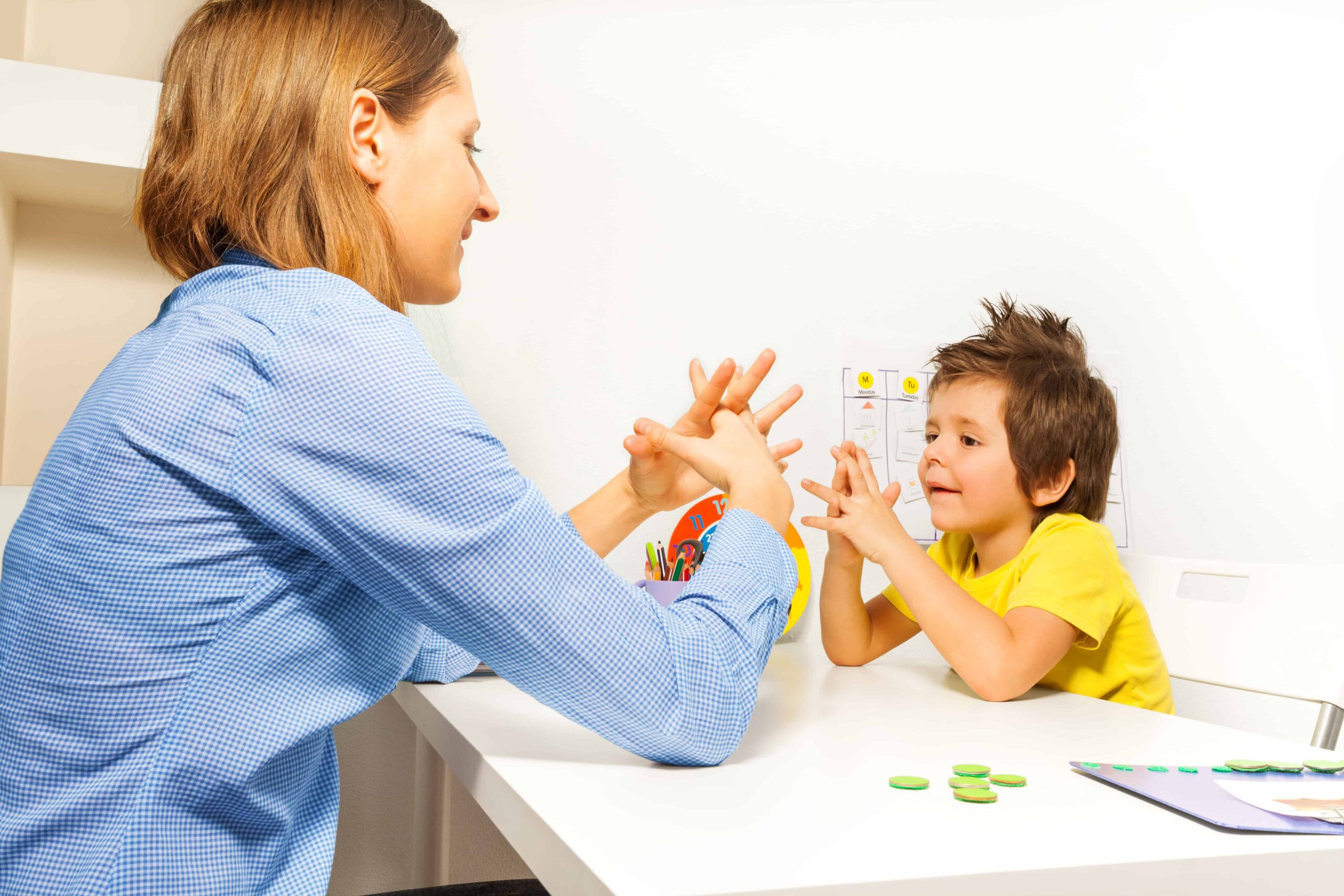
You may be wondering what an Intervention is! An intervention in the context of Autism is a an approach or strategy put into place to support individuals on the spectrum (Chung, 2024). There are various interventions that are put into place that help support kids with Autism depending on the level. Since autism is different for every child interventions are also planned specifically for each child after looking closely at their deficits, behavior, and personalities. According to research the most beneficial interventions are Social Skills Training (SST) and argumentative and alternative communication (AAC) (Chung et al., 2024).
Social skills training is a very widely researched intervention which is used to improve social skills. It is usually delivered by face to face interactions with experts in institutions and schools. According to research 8-13 sessions within a span of 6-12 weeks. During this time social skills are built through greetings, initiating responses to conversation, sharing, matching facial expressions, and practice repeating. SST has shown to improve social skills effectively in people of all ages including children who are 0-14 years of age. There is an intervention known as JASPER which is aimed to improve joint attention in children and to teach them play skills. Many children were able to significantly show improvement in at least one area of development such as joint engagement, playing skills, and language.
Argumentative and alternative communication (AAC) is an intervention which is often used to enhance communication skills for individuals with Autism. Through this method children are taught alternative communication methods like (signs, symbols, and images) which help these children figure out other ways to communicate. PECS is the picture exchange communication system which is used most commonly and teaches individual to use pictures to communicate their needs. PECS has been shown to enhance communication like initiating conversations in children.
These interventions are ways to help parents and children make life easier by showing them ways to deal with autism. It is important that parents are supportive of their children during these times and try their best to understand the needs of their children. As soon as parents are able to figure out a proper diagnoses of Autism for their children they should find interventions that support their needs. Some other interventions for ASD are speech therapy, sensory integration therapy, social stories (describing social situations in simple sentences), and RUBI (a parent training program to decrease behavior challenges of children with ASD).
Other resources and links for more Information on Autism Interventions
The CDC breaks down interventions depending on the needs for the specific child. the different options of treatment consists of behavioral, developmental, educational, social-relational, pharmacological, psychological, complementary/alternative. Each approach focuses on different methods to help children. The behavioral approach focuses on changing behavior by gaining an understanding of what happens before and after the behavior (CDC,2024). A specific treatment for ASD is known as applied behavior analysis (ABA) which encourages desired behaviors and discourages undesired behaviors.
https://www.cdc.gov/autism/treatment/index.html
Reference List
CDC. CDC (2024, March 5). Treatment and Intervention for Autism Spectrum Disorder. Autism Spectrum Disorder (ASD). https://www.cdc.gov/autism/treatment/index.html
Chung, K., Chung, E., & Lee, H. (2024). Behavioral Interventions for Autism Spectrum Disorder: A Brief Review and Guidelines With a Specific Focus on Applied Behavior Analysis. Soa.cheongsonyeonjeongsinuihak, 35(1), 29–38. https://doi.org/10.5765/jkacap.230019


Comments
Post a Comment